
Canada's inflation rate rose to 3.1% in September, and almost all of the increase came from energy. Consumers feel that at the pump. For owners, the bigger question is what fuel and energy costs do to excavation, steel and equipment-heavy trades, which are already the fastest-rising parts of construction pricing.
What happened
On October 19, Statistics Canada reported that the Consumer Price Index rose 3.1% year over year in September, up from 3.0% in August. Prices rose 0.1% from August, or 0.4% on a seasonally adjusted basis.
The increase was concentrated in energy. Gasoline prices were up 27.8% from a year earlier, energy overall was up 19.0%, and fuel oil and other fuels jumped 57.8%. Statistics Canada tied the increase to crude oil prices reaching their highest level since May amid conflict in the Middle East. The switch to cheaper winter-blend gasoline partly offset it.
Take gasoline out and the picture is calmer. Excluding gasoline, prices rose 2.2%, down from 2.4% in August. Shelter rose 1.8% and grocery prices 1.7%.
What it means for owners
1. CPI is the wrong yardstick for your project budget
The CPI measures what households pay for groceries, rent and gas. It doesn't measure what it costs to build. Many capital budgets still escalate future work at "inflation," which in practice means CPI or the Bank of Canada's 2% target. Construction has its own index, and lately it has been running ahead. In Statistics Canada's most recent building construction price data (second quarter of 2026), non-residential construction costs were up 3.5% year over year, and residential costs were up 2.3%.
2. Energy shows up in construction costs, just later
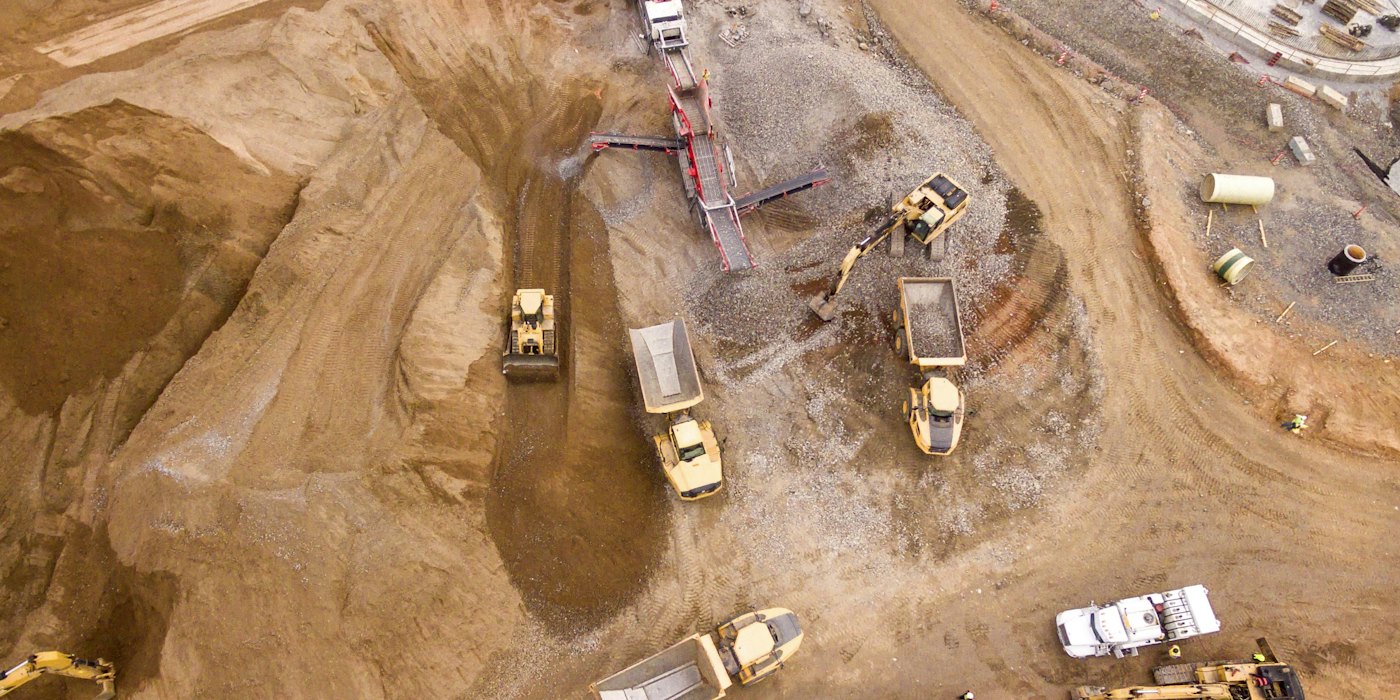
Construction burns a lot of fuel: excavators, trucks hauling soil and aggregate, cranes, generators, and delivery of every material to site. In its second-quarter release, Statistics Canada said higher oil prices raised fuel costs for equipment, machinery and material transport. Those were the divisions that moved most. In non-residential work, earthwork rose 2.2% in the quarter, structural steel framing 2.2% and conveying equipment 2.9%.
The spike in September's energy prices came after that data was collected. On programs we've supported, fuel-driven increases tend to reach owners a few months later, through tender prices and through change orders for work priced before the increase. If oil stays high, expect excavation, site work and steel packages to be priced higher this winter, not cheaper.
3. Calm prices outside gasoline don't mean calm construction costs
Some will read the 2.2% figure excluding gasoline as a sign that inflation is under control. For household budgets, that may be fair. But tariffs on steel and metals, together with fuel, are the two pressures Statistics Canada has flagged in construction pricing, and neither shows up much in a consumer basket. Owners should watch those inputs directly, not the headline.
4. The rate decision is a separate risk
The Bank of Canada's next rate announcement is October 28, along with its Monetary Policy Report. We won't guess the outcome. What matters for owners is that financing costs and construction costs can move independently. A project whose numbers only work at today's rates and last year's construction prices has two exposures, not one.
What to do now
- Stop escalating budgets at CPI. Use construction-specific escalation, broken out by trade, with higher allowances for site work, steel and equipment-heavy packages.
- Check how your contracts handle fuel and material increases. Know which packages have price adjustment clauses or allowances, and which ones put the risk on you through change orders.
- Lock in pricing where it makes sense. For work tendering in the next six months, consider firm-price validity periods, early procurement of steel and long-lead equipment, and earlier award of earthwork packages.
- Stress-test the cost and the financing together. Run your forecast at completion with a higher escalation case and a higher-rate case at the same time, and see if the business case still holds.
- Mark two dates. The Bank of Canada announces its rate decision on October 28, and Statistics Canada publishes third-quarter building construction prices on October 29. Update your forecasts after each one.
The bottom line
A 3.1% inflation headline won't break a capital program. Using the wrong index to plan one can. Owners who budget with construction costs, not consumer prices, won't be caught out by an energy spike that reaches the site months after it hits the pump.
If you're setting 2027 capital budgets now, book a 30-minute call. We'll review your escalation assumptions, contract risk and forecast against what the data is actually showing.
Sources: Statistics Canada, The Daily: Consumer Price Index, September 2026; Statistics Canada, The Daily: Building construction price indexes, second quarter 2026; Bank of Canada, 2026 schedule for policy interest rate announcements; Statistics Canada, release schedule; The Canadian Press via BNN Bloomberg, Higher gas prices drove inflation up to 3.1% in September. This article is general information, not financial or legal advice.