
An independent audit of a City of Hamilton road project found that a $13.32 million contract finished at $15.82 million, and pinned most of the gap on how the project was governed rather than on bad luck. The lessons apply just as much to corporate owners running fit-outs, base-building upgrades and capital programs.
What happened
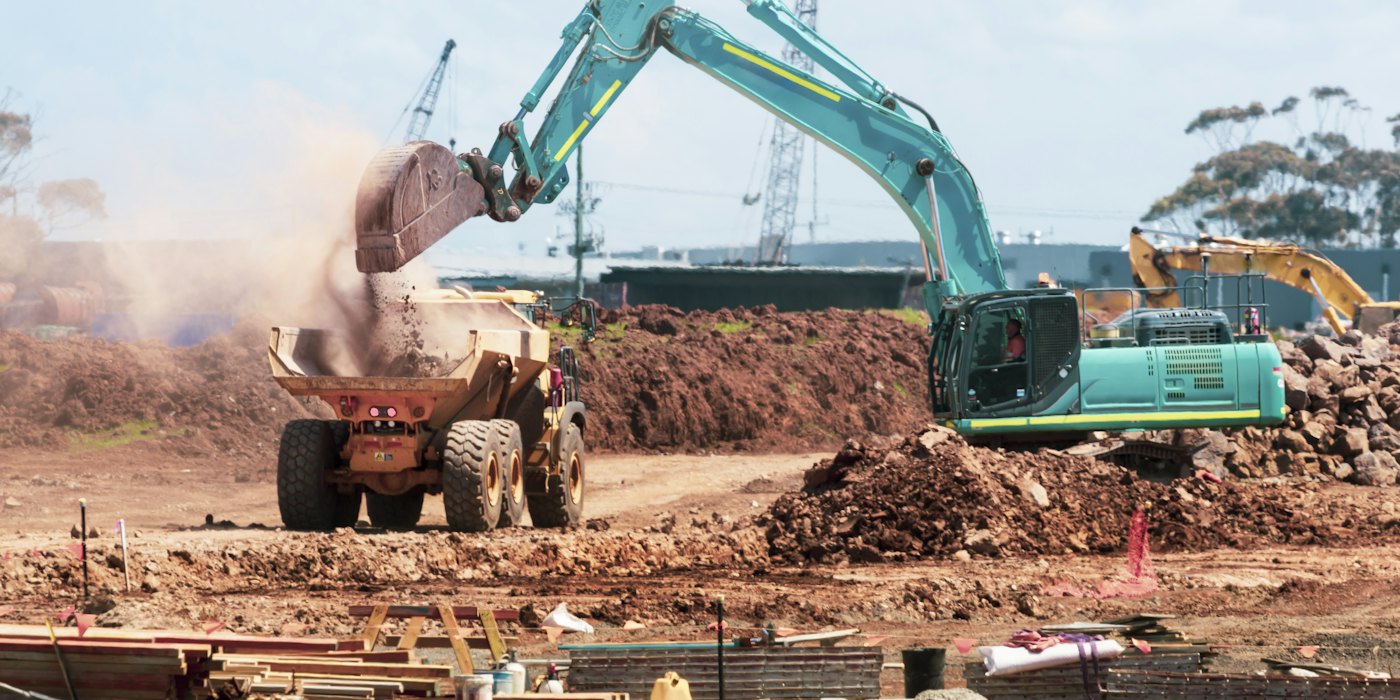
Earlier this month, the City of Hamilton's Office of the Auditor General released its audit of the Southcote Road capital project, and the findings were reported in the trade press on October 16. The project rebuilt about 1.5 km of the Southcote Road–Garner Road corridor in Ancaster, out to Highway 403, including roadwork, a new watermain and stormwater infrastructure.
The contract was awarded in August 2022 for $13.32 million. The work was completed in 2024 at a final cost of $15.82 million, an increase of $2.5 million, or 19 per cent.
The auditor's findings were about process, not a single event:
- Governance and oversight were informal and immature, which weakened scope management, change management and contingency planning.
- Budget monitoring and job-cost reporting were not good enough for the city to spot rising costs and respond to them in time.
- Communication gaps inside Public Works, and between Public Works and Procurement, led to an avoidable error during tendering.
Auditor General Charles Brown summarized it as "gaps in early planning, change management, documentation and financial tracking." The office made 10 recommendations, and Brown noted that management has already taken steps to strengthen how projects are delivered. Worth saying plainly: city management asked for this review. That is what a mature owner does after a project goes over, and most private owners never commission one.
What it means for owners
1. Overruns are usually built in long before they show up
None of the findings is about a contractor doing something unusual. They are about the owner's side: how scope was defined, how changes were approved and how money was tracked. On programs we've supported, the same pattern holds. By the time an overrun is visible in the monthly report, most of the decisions that caused it are months old.
2. A cost report is not cost control
Many owners get a monthly spreadsheet showing budget, committed and spent. That is a history lesson. Cost control means forecasting the final cost every month, including pending changes, known risks and the contingency you will actually need, and acting while there is still time to change the outcome. If your reports can't tell you today what the project will cost at completion, you have the same blind spot the auditor described.
3. Contingency without rules is just a second budget
Contingency planning was one of the weak areas identified. On private projects, we often see contingency treated as money the team is expected to spend rather than a reserve for defined risks. Without clear rules on who can draw it, for what, and how drawdown is reported, contingency hides problems instead of absorbing them.
4. Procurement handoffs are a real risk
The tendering error came from a communication gap between the project team and procurement. Corporate owners have the same seam: real estate or facilities defines the work, and a separate procurement group runs the tender. When scope, schedule and risk allocation don't carry cleanly across that handoff, the error usually surfaces as a change order later.
What to do now
- Ask for a forecast at completion on every active project. Not spent-to-date. The estimated final cost, with pending changes and open risks listed, reviewed monthly.
- Write down your change order rules. Who can approve what, at what dollar threshold, with what backup. Track every change by cause (owner scope, design error, unforeseen condition) so patterns are visible.
- Put contingency on a leash. Tie it to a risk register, set approval levels for drawdowns and report remaining contingency against remaining risk every month.
- Run a joint pre-tender review. Before any major package goes out, have the project lead and procurement walk through scope, schedule, allowances and evaluation criteria together.
- Close out with a lessons-learned review. You don't need an auditor general. A short, honest post-project review on your largest projects will pay for itself on the next one.
The bottom line
A 19% overrun is not unusual in construction. What is unusual is an owner publishing an honest account of why it happened. Every owner can learn from it, and most can fix the same gaps before their own audit is needed.
If you'd like a second opinion on how your projects are governed and reported, book a 30-minute call. We'll look at your cost reporting, change control and contingency rules and tell you where the blind spots are.
Sources: City of Hamilton, Office of the Auditor General completes Audit of the Southcote Road Capital Project; Ontario Construction News, Hamilton audit finds oversight gaps in $15.8M Southcote Road project. This article is general information, not financial or legal advice.