
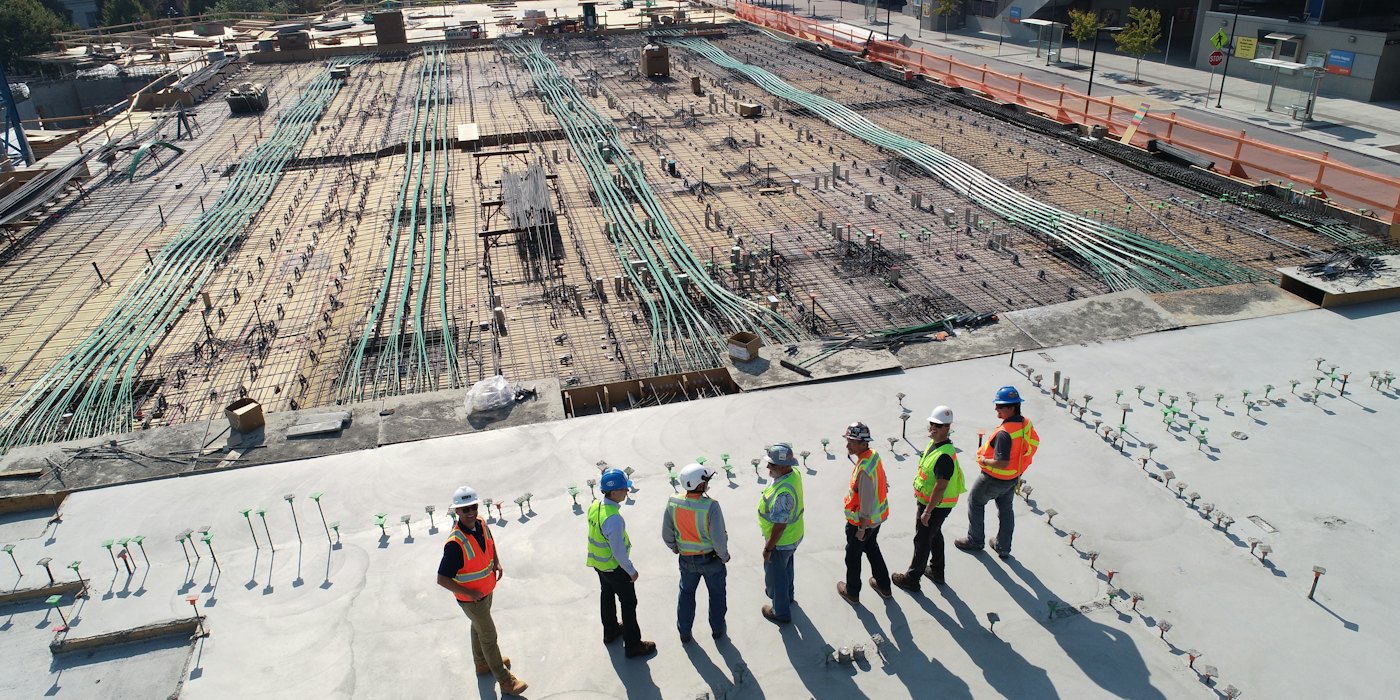
Part of the Ontario construction contracts guide for owners.
Construction holdback in Ontario is still 10%, but since January 1, 2026 owners no longer get to decide when most of it is released. Annual release is now mandatory, the right to hold back for deficiencies is gone, and the paperwork runs on fixed deadlines.
What the 10% holdback is for
Under section 22 of the Construction Act, an owner must retain a basic holdback of 10% of the contract price as work is supplied, plus the amount of any liens the owner has received written notice of. Contractors must retain the same holdback from their subcontractors.
The holdback protects owners from paying twice. It caps the owner's exposure to liens from subcontractors and suppliers the owner never contracted with. An owner that fails to retain it can be personally liable for that amount in a lien action.
The 2026 amendments also clarified that required holdback is subject to the Act's statutory trust provisions. Treat it as money held for others, not as working capital.
Annual holdback release is now mandatory
Before 2026, annual or phased release was optional and only available on large contracts that expressly provided for it. Amendments from Bill 216 and Bill 60 repealed the optional annual and phased release sections and replaced them with a mandatory annual release under section 26.
The mechanics:
- Notice: no later than 14 days after each contract anniversary, the owner publishes a notice of annual release of holdback in the prescribed form, stating the amount and the intended payment date.
- Payment window: the accrued holdback is paid no earlier than 60 days and no later than 74 days after the notice is published.
- Liens: if a lien has been preserved or perfected and not discharged, vacated or declared expired, payment is due within 14 days after that obstacle ends, and not earlier than 60 days after publication.
- Flow-down: the contractor pays its subcontractors their accrued holdback within 14 days of receiving it, and so on down the chain.
No more holding back for deficiencies
Section 27.1, which let a payer give a notice of non-payment of holdback, has been repealed. Holdback must now be paid without deduction, set-off or withholding for deficiencies, maintenance or corrective work, and this cannot be contracted out of.
Section 30 was also amended: if a contract is abandoned or terminated, holdback cannot be used for substitute work or to satisfy claims against the contractor until lien rights against it are resolved. Blakes, for one, advises owners to set aside other funds or security to finish a project if a contract ends early. We agree. Holdback is no longer your completion fund.
When does the new regime apply?
- Contracts entered on or after January 1, 2026: first annual release follows the first anniversary.
- Contracts entered before January 1, 2026: first release follows the second contract anniversary after that date. A contract dated January 15, 2023, for example, first releases on January 15, 2027, including all holdback accrued to then.
- Certain public-private partnership agreements entered before 2026 stay on the old rules, and contracts or procurements started before July 1, 2018 remain under the former Construction Lien Act.
What owners should do at substantial performance
A contract is substantially performed when the improvement is ready for use or in use for its intended purpose, and the cost to finish it is no more than 3% of the first $1,000,000 of the contract price, 2% of the next $1,000,000 and 1% of the balance.
- Know who certifies. The payment certifier signs the certificate of substantial performance; if there is none, the owner and contractor do. Copies go to the owner and contractor within 7 days of signing.
- Confirm publication. Certificates and notices are now published on a designated construction trade news website: the Daily Commercial News, Link2Build or Ontario Construction News.
- Diarize lien expiry. Lien rights generally expire 60 days after the earlier of publication of substantial performance or completion, abandonment or termination of the contract.
- Search title before paying. Confirm no liens are preserved or perfected before releasing what remains.
- Release on time. Unreleased holdback must be paid once liens expire. Late release is a dispute you can avoid.
- Keep annual release in your cost reports. Our cost monitor approach treats each anniversary as a scheduled cash event.
These rules have exceptions and transition details that turn on the facts of each contract, so owners should confirm specifics with their lawyer.
Frequently asked questions
Is construction holdback still 10% in Ontario?
Yes. The basic holdback under section 22 is 10% of the contract price as work is supplied. What changed in 2026 is when it must be released.
Can an owner keep holdback to cover deficiencies?
No. The notice of non-payment of holdback was repealed, and holdback must be paid without set-off for deficiencies or corrective work.
When must annual holdback be paid?
No earlier than 60 days and no later than 74 days after the owner publishes the notice of annual release, unless a preserved or perfected lien delays payment.
The bottom line
Holdback used to be a year-end problem and, quietly, leverage over deficiencies. It is now a scheduled annual payment with published notices and fixed windows. Owners who put each anniversary in their cash flow plan, and secure other protection for completion risk, will find the new regime manageable.
Want help building annual release into your project controls? Book a 30-minute call with Benjamin R. Consulting.
Sources: Glaholt Bowles LLP, Major Amendments to Ontario's Construction Act Coming January 1 (December 2025); Ontario Bar Association, Ontario's Construction Act: Key 2026 Amendments (January 2026); Robins Appleby LLP, Key changes to Ontario's Construction Act introduced by Bill 216 and Bill 60 (2026); WeirFoulds LLP, Ontario's Construction Act Changes: What You Need to Know in 2026; Blakes via Mondaq, Amendments to Ontario's Construction Act Now in Force (January 2026); Miller Thomson LLP, Holdback: What You Need to Know (2019); Miller Thomson LLP, Substantial Performance: What You Need to Know (2019); Ontario Association of Architects, Certifying Substantial Performance; Government of Ontario, Construction Act, R.S.O. 1990, c. C.30. This article is general information, not financial or legal advice.